
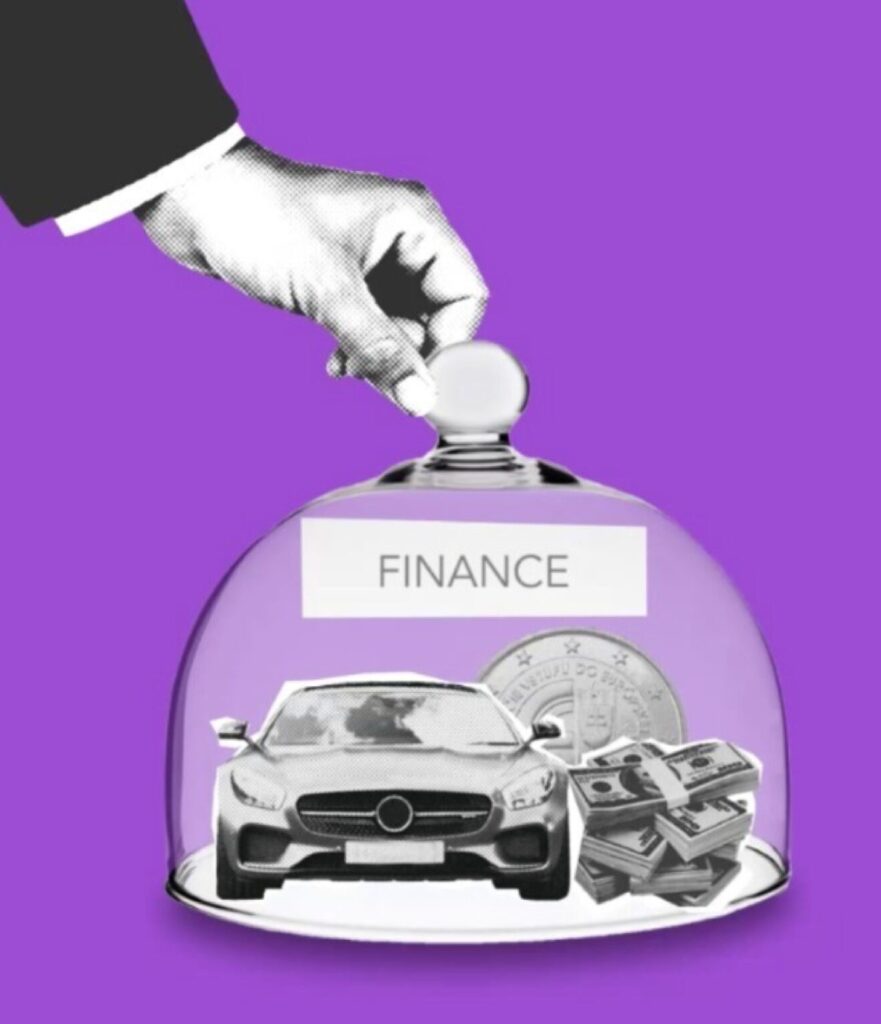
Lifestyle Inflation: The Silent Force Quietly Draining Your Wealth
Picture this familiar scene: you just landed a promotion, or your annual salary review came back with good news. That rush of relief washes over you—”finally, I can start saving seriously.” Yet six months later, you check your bank balance and it looks exactly the same as before. Maybe worse. What happened?
This is lifestyle inflation at work—one of the most dangerous financial patterns of our time, precisely because it never announces itself. There’s no warning siren, no dramatic moment. It simply creeps in, decision by decision, until the gap between what you earn and what you actually keep quietly widens year after year. At its core, lifestyle inflation is the gradual increase in spending that accompanies a rise in income—instead of channeling that extra money toward savings or investments, people unconsciously upgrade their day-to-day standard of living.
How It Sneaks In: A Series of “Reasonable” Choices
Lifestyle inflation rarely arrives through one big decision. Instead, it builds through a string of small choices that each feel perfectly justified in the moment:
- Moving into a bigger, pricier home the moment income rises
- Treating a raise as a reason to splurge on luxury items “to celebrate”
- Letting monthly subscriptions—streaming platforms, gym memberships, delivery apps—pile up, each seeming cheap on its own but adding up significantly together
- Spending more freely on dining out, travel, and entertainment as part of a “new normal”
Each of these decisions feels deserved. But together, they quietly stretch the distance between income and actual savings.
In 2026, understanding how to manage this kind of spending creep matters more than ever. The cost of living continues to climb globally, social media constantly bombards us with curated glimpses of other people’s “perfect” lifestyles, and credit has never been easier to access—tap, swipe, buy now, pay later. Combined, these forces make overspending feel almost normal. And if left unchecked, lifestyle inflation works silently, year after year, eroding long-term financial growth one small upgrade at a time, without ever sounding an alarm.
Why We Fall Into This Trap: The Psychology Behind the Spending
Here’s what makes this topic so fascinating: lifestyle inflation isn’t just a numbers problem on a bank statement—it’s a deeply human story, rooted in psychological patterns that have shaped our behavior for generations.
1. Hedonic Adaptation
Think about the last time you bought something exciting—a new car, a nicer apartment, the latest phone. For the first few weeks, it felt thrilling. But after a while, it simply became “normal.” This is hedonic adaptation in action: we adjust remarkably quickly to any improvement in our circumstances, and that improved state becomes our new baseline. The result? We constantly need more just to feel the same level of satisfaction we once felt with less.
2. Social Comparison
Humans are inherently social creatures, and we measure ourselves against those around us—friends, colleagues, and especially the curated highlight reels we scroll through on social media. These comparisons are often wildly unrealistic, since what we see online represents other people’s best moments, not their everyday reality. Yet they push us toward upgrades we don’t actually need, simply because “everyone else seems to be doing it.”
3. Instant Gratification Bias
We’re wired to prefer immediate rewards over future security. A purchase you can enjoy today feels far more tangible and satisfying than money tucked away for a retirement that feels distant and abstract. This bias quietly tips the scales toward spending now rather than saving for later.
4. Emotional Spending
Bonuses and raises, instead of becoming opportunities for thoughtful financial planning, often trigger emotional purchases—as if new money “deserves” to be celebrated immediately through something physical and visible.
If you want to understand the broader economic backdrop that makes these pressures even stronger today, it’s worth exploring Understanding Inflation: Why Everything Feels More Expensive, which breaks down how rising prices across the board affect the real value of every dollar you earn and spend.
The Real Cost of Looking the Other Way
It’s tempting to view lifestyle inflation as harmless—even as a well-earned reward for years of hard work. But left unaddressed, the long-term consequences can be serious, touching nearly every corner of your financial life.
1. No Real Wealth Growth
This is the cruel irony at the heart of it all: your income might rise significantly over the years, yet your actual savings remain flat—or even shrink. Earnings go up, but your real wealth (the gap between what you own and what you owe) barely moves. On paper, you’re doing better. In reality, you’re standing still.
2. Debt Accumulation
Once elevated spending becomes part of your “normal” lifestyle, even a small financial disruption—an unexpected expense, a temporary dip in income—can push you toward relying on credit cards to bridge the gap. Over time, this dependency can spiral into a cycle of debt that’s increasingly difficult to escape.
3. A Delayed Retirement
Every dollar spent today on an unnecessary upgrade is a dollar that never had the chance to grow through compound interest over decades. The practical consequence is sobering: working longer than you’d planned, simply to make up for investment opportunities missed years earlier.
4. Constant Financial Stress
When fixed expenses—rent, subscriptions, loan payments—consume a large share of your income, your financial flexibility shrinks dramatically. Any emergency, whether a medical issue or a sudden job loss, becomes a genuine source of anxiety, because the safety margin that should protect you has become razor-thin or nonexistent.
Breaking the Cycle Before It Breaks You
The good news is that none of this is inevitable. Lifestyle inflation isn’t a character flaw—it’s a predictable pattern, and predictable patterns can be interrupted with the right awareness and strategies. Recognizing the psychological triggers behind your spending is the first step; building deliberate habits around every raise, bonus, or windfall is the second.
For a practical, step-by-step approach to staying ahead of this creeping problem, take a look at How to Manage Lifestyle Inflation (Before It Quietly Wrecks You), which walks through concrete strategies for protecting your financial growth as your income evolves.
At the end of the day, the goal isn’t to deny yourself every pleasure that comes with earning more—it’s to make sure that as your income grows, your wealth grows with it, rather than quietly disappearing into a lifestyle you never consciously chose.